Stop Assessing Only Your Students. Start Assessing Your Activities.

There are days when I find myself staring at an activity I have just created, and, strangely enough, the first question that comes to mind has nothing to do with grammar, vocabulary, or exam preparation. I no longer ask whether my students will remember the Present Simple or master a new set of words. Instead, I catch myself wondering something much deeper. Who will be in control during this lesson? The children… or the activity itself? It sounds like a simple question, yet it has completely transformed the way I think about teaching.
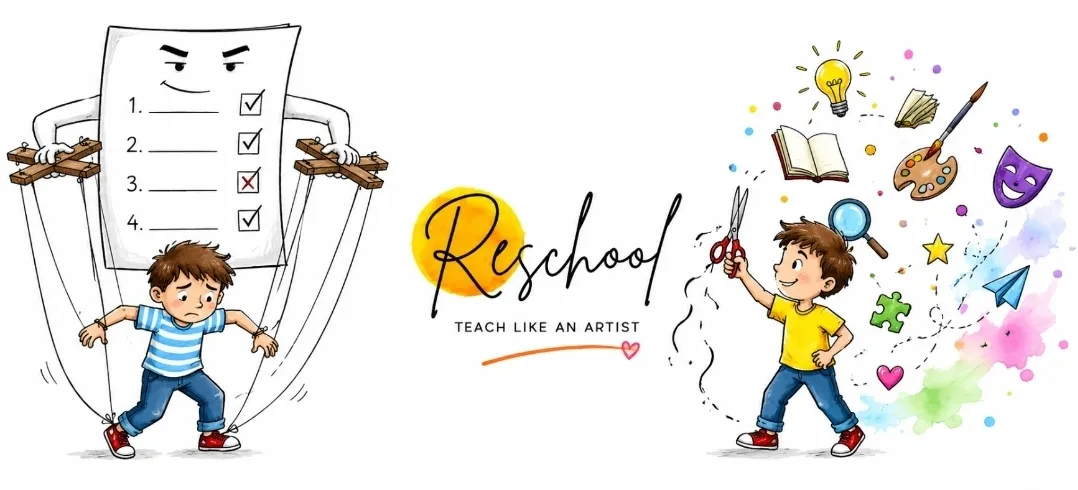
For many years, I believed that a successful activity was one that clearly explained a language point and produced the correct answers. The children completed the worksheet, the boxes were filled in, everyone seemed busy, and I went home feeling productive. Looking back now, I realise something uncomfortable. Sometimes the activity had become the most powerful person in the room. It dictated every step, every answer, every movement, every decision. The children were no longer exploring. They were simply following instructions, hoping to avoid mistakes and guessing what the designer of the worksheet wanted them to write. Without noticing it, the activity had quietly become the boss of the classroom.
The strange thing is that this is almost the opposite of how human beings learn outside school. Nobody learns to ride a bicycle by completing a worksheet. Nobody falls in love with music because they coloured the correct answer. Nobody develops curiosity by discovering that only one answer was acceptable all along. Real learning is wonderfully untidy. It involves movement, imagination, emotion, conversation, surprise, wrong turns, laughter, and the freedom to think differently from the person sitting next to you.

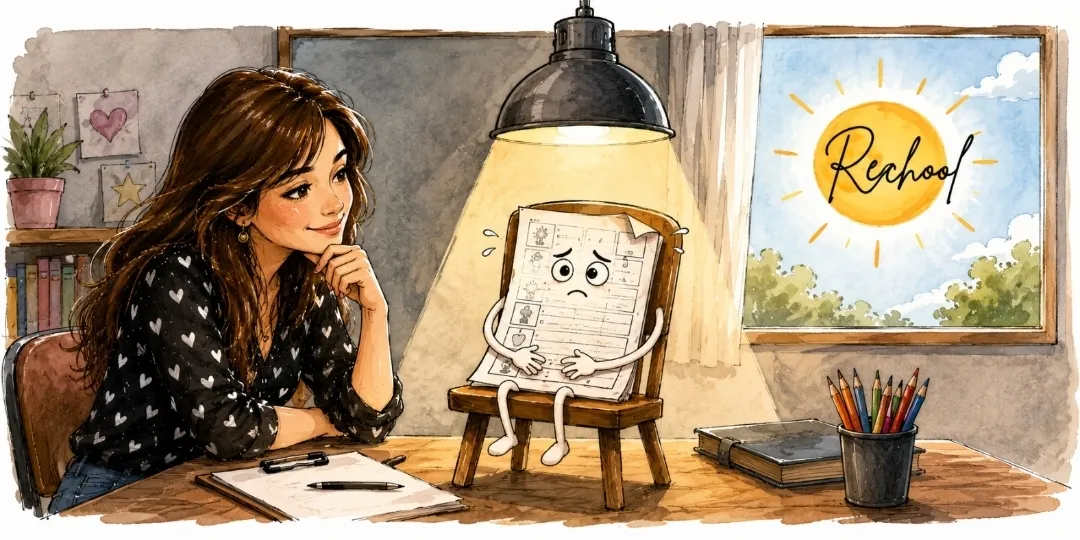
That realisation slowly changed the way I create every lesson. Today, before an activity ever reaches my classroom – or my website – I imagine placing it under a bright interrogation lamp, like a suspect in an old detective film. And then the questioning begins.
-
I ask the activity whether it will make children leave their chairs instead of remaining passive behind their desks.
-
I ask whether it invites them to imagine something that does not already exist, or whether it simply asks them to recognise what someone else has already imagined for them.
-
I ask whether anyone will laugh, feel surprised, become curious, or experience a genuine emotional reaction because of it.
-
I ask whether children truly need one another or whether each of them could complete the task in total silence, working like tiny photocopying machines that happen to hold pencils.
-
Then I ask the question that probably matters most to me. Does this activity leave room for children to bring something of themselves into the classroom? Their humour, their memories, their ideas, their personalities, their imagination. Or will every child eventually produce exactly the same answer, the same sentence, the same drawing, the same solution, until individuality quietly disappears behind neat rows of identical worksheets?
-
And finally comes my favourite question of all. It is also the simplest. Will a child still remember this activity one year from now?
Because that is what fascinates me about memory. Children rarely remember the grammar rule on its own. They remember the pirate who suddenly walked into the classroom. They remember pretending to be astronauts. They remember building impossible inventions out of recycled materials. They remember the role-play that made the whole class burst into laughter. They remember the challenge that nobody expected. The memory stays, and somehow the language chooses to stay with it.
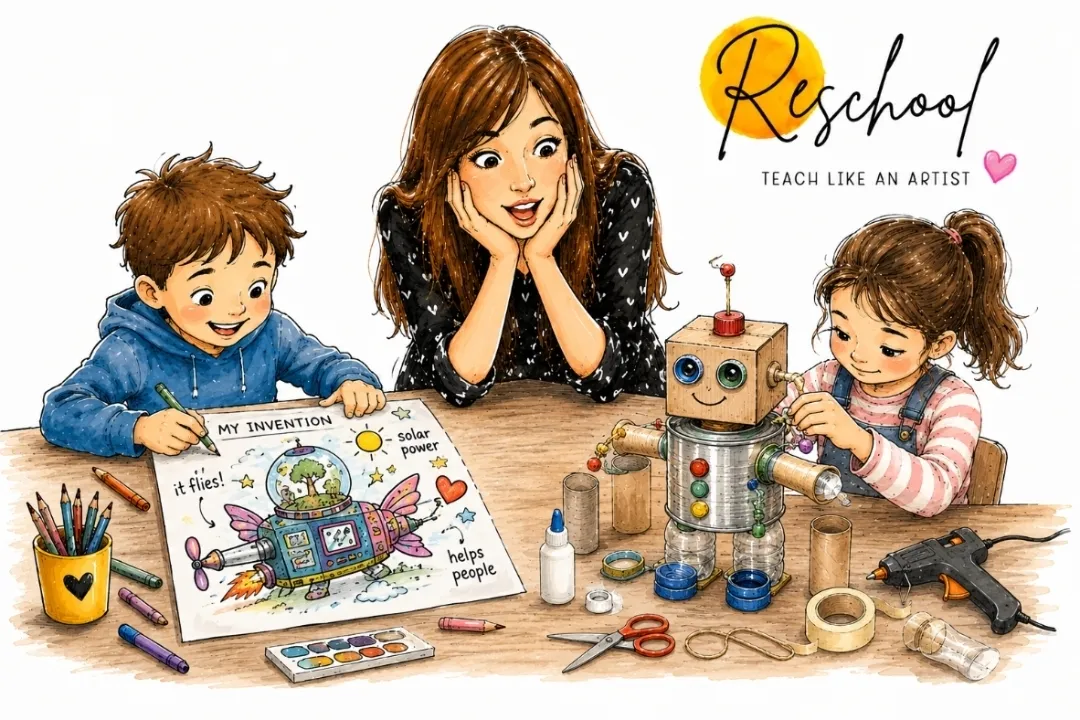
Perhaps that is why I dream of walking into a classroom where twenty children are working on exactly the same activity and discovering twenty completely different outcomes. One child has invented a flying machine powered by flowers. Another has built a robot from cardboard tubes and bottle caps. Someone else has written a story, while another has turned the task into a comic strip. The activity is the same, but the thinking is wonderfully different. To me, that is not disorder. That is evidence that learning is alive.
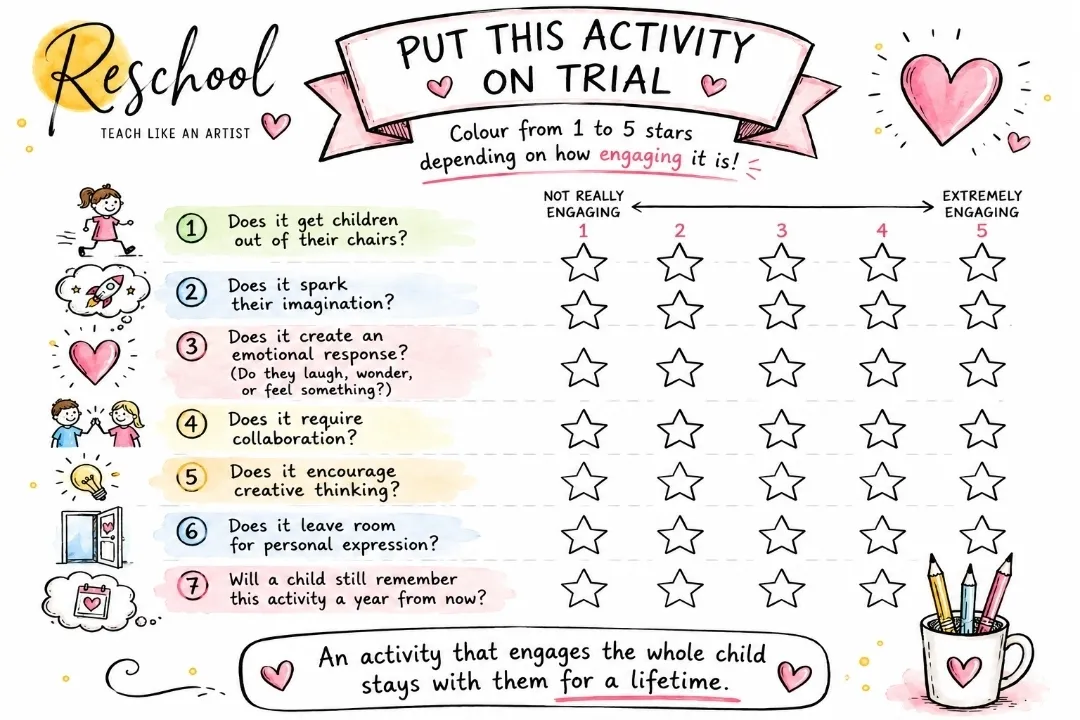
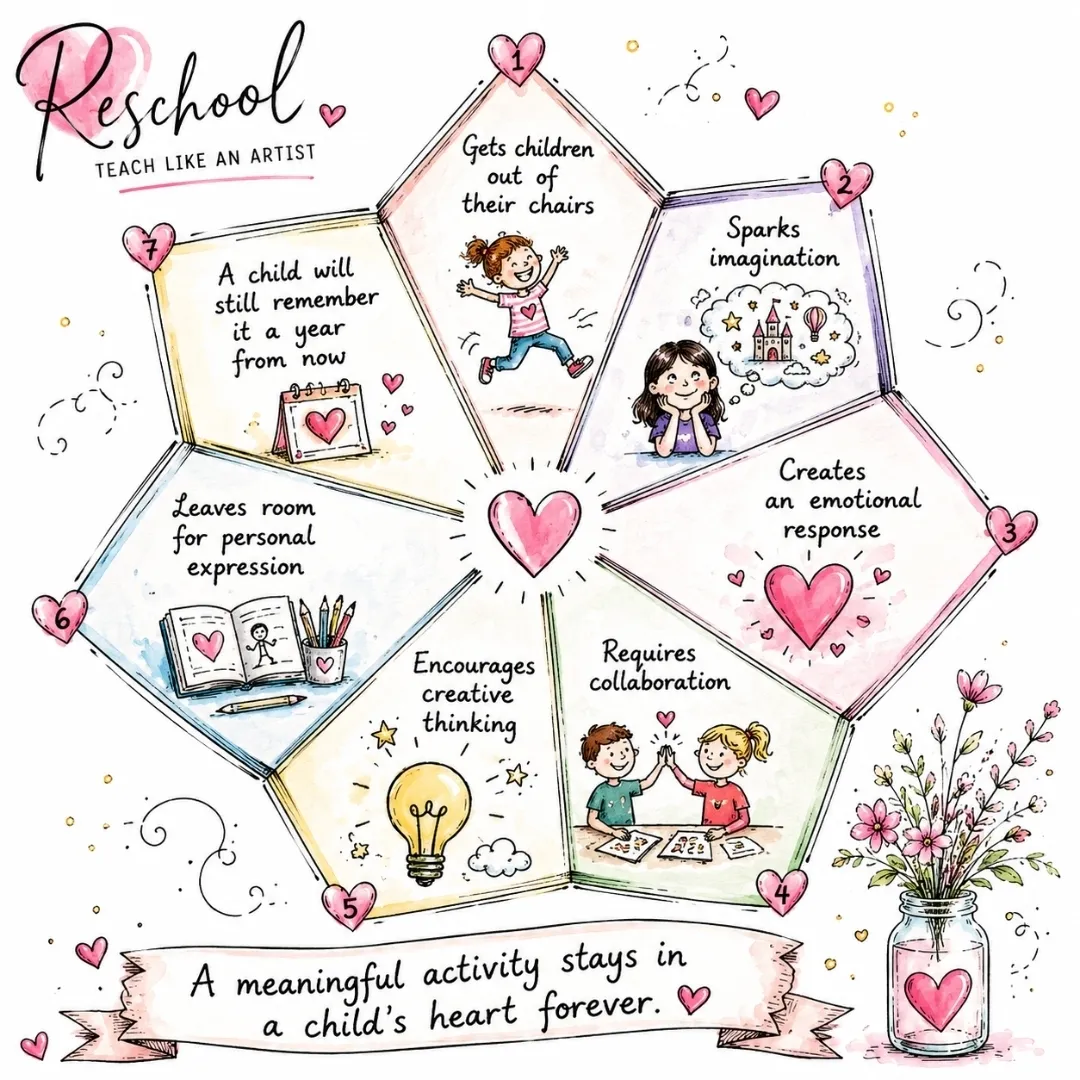
This philosophy has become the heart of everything I create at Reschool. Every activity I publish must first survive this small but demanding interrogation. If it cannot encourage movement, awaken imagination, create emotion, invite collaboration, leave space for personal expression, and become the kind of experience children might still remember years later, then it simply is not ready to enter a classroom.
Because I have realized that my job is not to produce more worksheets.
My job is to create learning experiences that children will carry with them long after they have forgotten the grammar lesson that first brought them there.