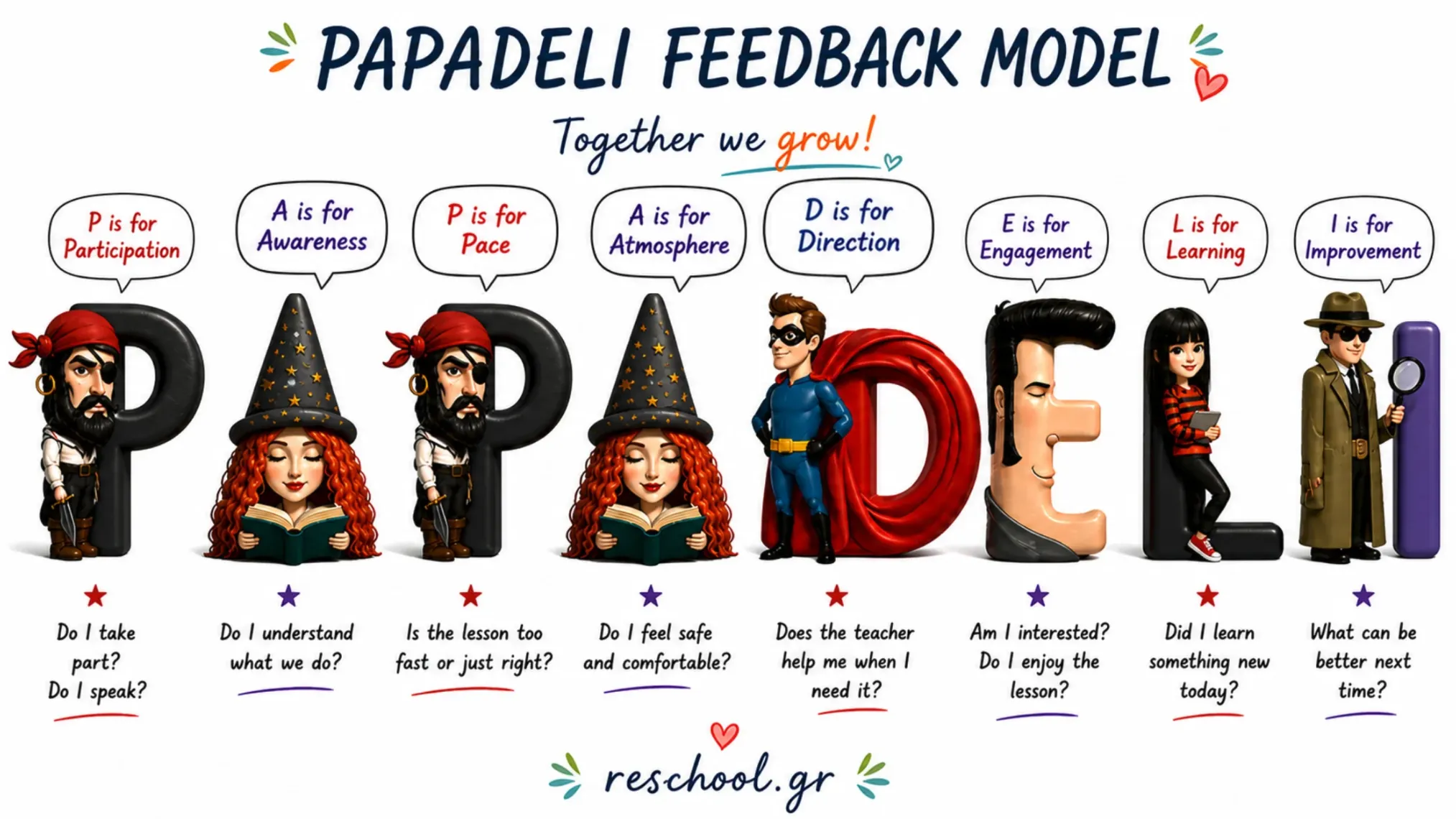
Why is evaluation so difficult?
There is a word we all use. We talk about it, we plan it, we organize it, and yet, when the moment comes to actually live it – to do it or to receive it – something inside us tightens, quietly but unmistakably, as if we already know that what we are stepping into is not simple. Because evaluation is not a technique, it is a relationship.
In universities abroad, the evaluation of teaching is not treated as a routine process but as one of the most complex and demanding fields of pedagogy, precisely because it refuses to stay within clear boundaries. Academics speak about the subjectivity of judgment, about the difficulty of defining what a “good lesson” truly is, and about the reality that teaching is a living interaction, not a static product that can be measured and labeled. We are not evaluating a board, we are not evaluating a presentation, we are evaluating a moment between people, and moments do not easily fit into criteria. This is where the question emerges, persistent and uncomfortable: based on what do we evaluate? Is it the structure of the lesson, the clarity of speech, the achievement of objectives, the participation of students? All of these matter, and yet none of them are enough, because a lesson can be perfectly structured and still leave the room silent, while another, less controlled and less polished, can be filled with voices, attempts, mistakes, and something far more important… life. And so the question remains: which one is better?
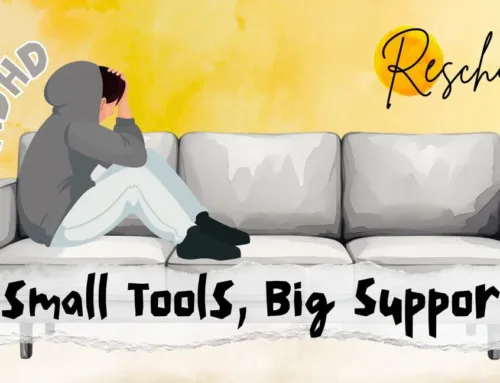
Those who are evaluated often describe not a method, but a feeling –exposure. Not only professional, but deeply personal, because a lesson is not only what you know, it is
-
what you bring into the room,
-
how you respond,
-
how you hold space,
-
how you exist with others,
and when someone evaluates that moment, they are, inevitably, touching something of you. And yet, the evaluator stands in a position that is no less demanding, asked to answer something that sounds simple but is anything but: is this lesson good? With what certainty can such a judgment be made, based on what was seen in 45 minutes that may or may not reflect the true rhythm of the classroom? How does one separate technique from connection, knowledge from impact, structure from meaning? Evaluation demands judgment, but it also demands humility, because it asks us to recognize the limits of what we can see.
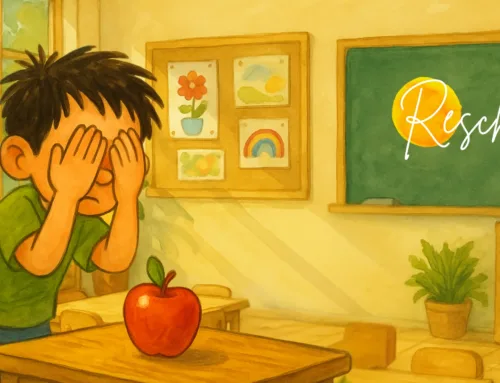
And this is the moment where something shifts, almost quietly, when the most important voices enter the space – children. They do not bring theories, they do not carry frameworks, they are not concerned with whether the “correct” method was followed. They respond to something more immediate, more human:
-
Did I understand?
-
Did I dare?
-
Did I speak?
-
Did I feel safe?
-
Did I feel seen?
They are not evaluating the lesson as it was designed, they are responding to the lesson as it was experienced. And here, child psychology reminds us of something we often forget – that learning is not only cognitive, it is emotional.
A child learns
-
when they feel safe,
-
when they are allowed to make mistakes,
-
when their voice has space,
-
when they are part of what is happening,
-
when they are not afraid.
When these conditions exist, attention, memory, and understanding begin to work together in ways that cannot be forced. When they do not, the child does not resist loudly, they simply withdraw, quietly, almost invisibly.
So who can truly say whether a lesson was good? Not the one who designed it, not the one who observed it, but the one who lived it. This is why children are the most honest evaluators- not because they know more, but because they feel more clearly. They do not filter their experience, they do not protect systems, they are not afraid to say “I didn’t understand,” and in doing so, they reveal something essential: they do not evaluate what was taught, they evaluate what actually reached them. And if a teacher can listen to this without defensiveness, without rushing to explain or justify, something meaningful begins to happen. They gain direction – not theoretical direction, but real, grounded insight, shaped by small comments, small reactions, even small silences that point to what worked, what was lost, and where time and space are still needed.
At some point, the questions themselves begin to change, almost without notice.
-
From “what did I teach?” to “what did they experience?”
-
From “was my lesson correct?” to “did I create space?”
And within this shift, teaching becomes something else entirely. If we begin to think, even for a moment, “if I were the student, would I understand this?”, if we step out of the center and allow the child to stand there instead, if we choose to listen more than we speak, then something new becomes possible. Not perfection, but truth. Not control, but connection.
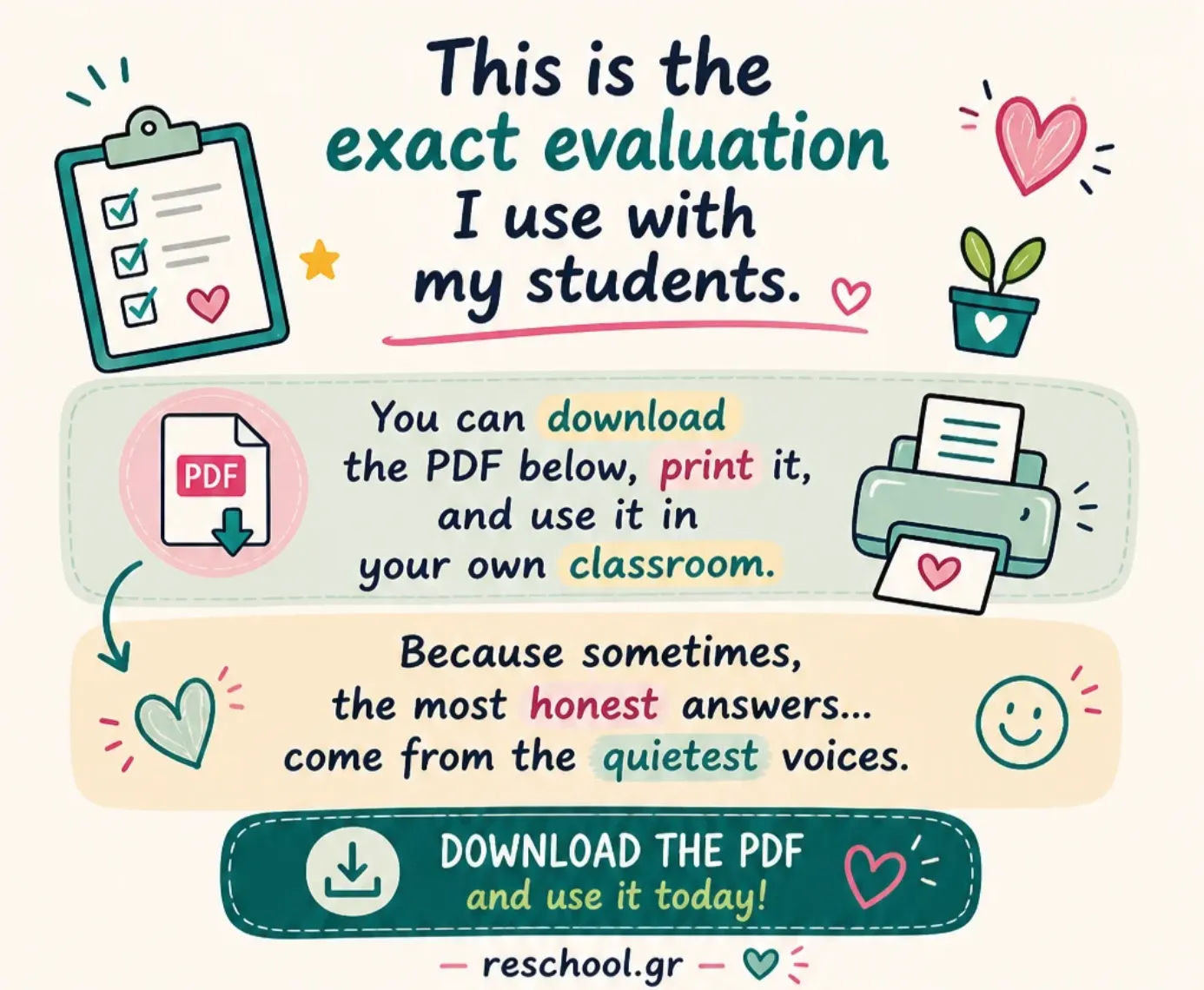
This is why this evaluation exists – not as a system of judgment, but as a mirror. A simple, clear form that can be given anonymously, collected without pressure, and reflected upon honestly, transforming small, quiet responses into meaningful insight. Not for control, but for growth. Because those who truly want to improve are not afraid to listen. And in the end, what matters is not whether the lesson was correct, but whether it was alive. And if, in that moment, even one child raised their hand, then perhaps that was the most important lesson of the day.