Let me ask you something:
Have you ever written a story you didn’t even know was living inside you?
A story that didn’t come from your mind, but from your breath?
One you didn’t build but it built itself?
If not, maybe now is the time.
Want to write it together?
Not with what you already know. But differently.
As if we’re walking barefoot across thoughts.
As if we’re digging through boxes of memories.
As if we’re holding a lantern, opening doors that had long been dark.
You don’t need much.
- A piece of paper.
- A pencil.
- And a little space inside you.
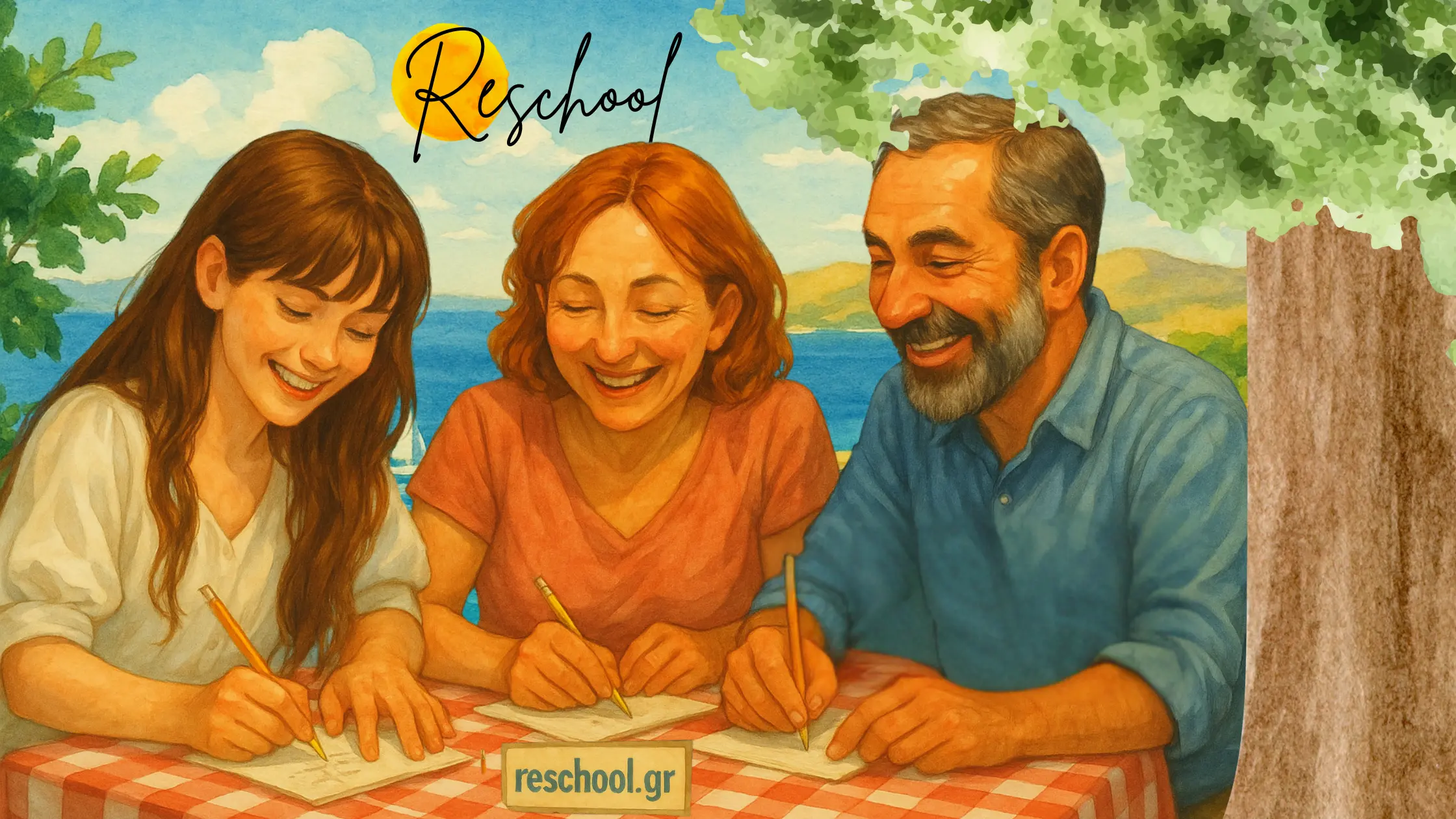
You can come alone.
Or bring someone you love.
Or bring someone you love.
Because sometimes, when we write side by side, it’s like letting our hearts touch.
I’ll guide you. One sentence at a time.
And you’ll let the words come find you.
Don’t think. Don’t judge. Don’t edit.
Just write.
And if you let go… you might just write something you never expected.
All I’ll ask is for ten sentences. No more. I promise.
Ready?
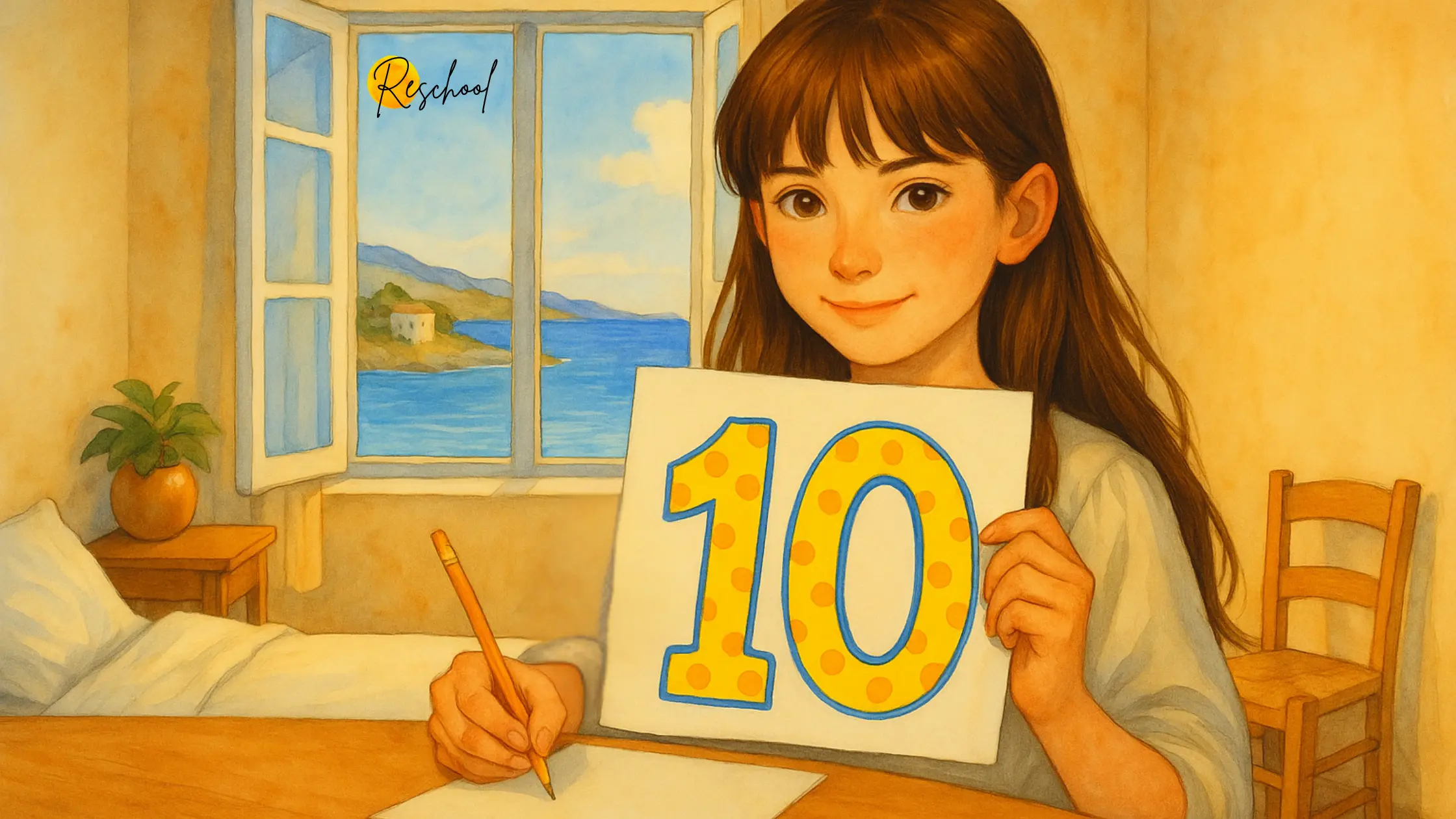
Let’s begin with Sentence 1. The easiest one.
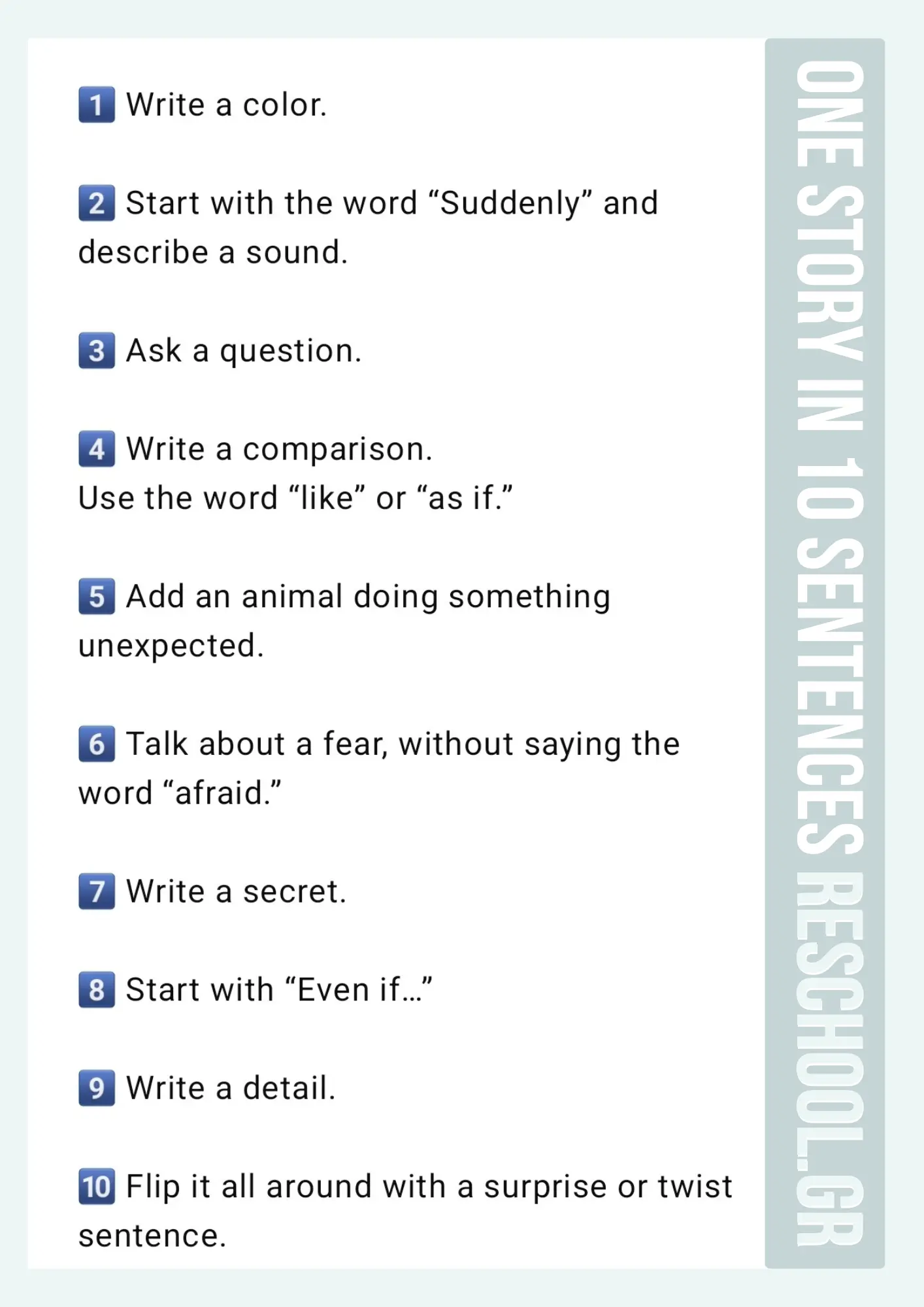
- Start with a color. A color that, if you close your eyes, you can see. Not just its name, but its shades, its weight, the way it fills you.
- Write it down. And don’t stop at one word. Add something more. Enough for someone reading to feel it, whether it’s dark or light, still or moving.
- Describe it as if it were alive. As if it expands and fills the room. Make the reader see exactly what you see.
Sentence 2.
- Begin with the word “Suddenly…” and describe a sound. Any sound.
- What did it make you feel?
- Did it remind you of something?
- It could be anything, big or small. I’m not giving you examples because this has to come from you. I want it raw. Yours. Let it carry you.
Sentence 3.
- This one is a question. One of those we ask without expecting an answer. The kind that help us just by being said out loud.
- Ask a question that fits with what you’ve written so far. It can be one word or many. Just let it belong.
Sentence 4 already!
- We’re almost halfway. Time for a simile or metaphor. A sentence with “like…” or “as if…” or “just like…” Something that helps your reader feel what you mean.
- Don’t be afraid to let a little magic in. Everything is possible, as long as you imagine it.
Sentence 5.
- Bring in an animal. But don’t just describe it.
- Let it do something strange. Something we wouldn’t usually see it doing. Be bold. Be playful. I’m sure your imagination sees things no one else can.
Now grab your pencil. Let it fall on the paper. Sentence 6.
- It’s time to bring in fear. Not necessarily the kind that freezes you but maybe the quiet kind. The sneaky one. The fear that was never spoken out loud.
- It might be your own. The one that changes your voice when you try to speak it. Or one that came from someone’s look. Something small in appearance but paralyzing in thought.
- Write it. Don’t filter it. If it takes you somewhere painful, you’re probably exactly where you need to be.
- You don’t have to say the word fear. Let us feel it.
Sentence 7.
- Now something simple but it might not be easy. Write a secret.
- Maybe it’s your own but who would ever know? Maybe it belongs to a friend. Or maybe it’s just something floating in your mind right now. Something someone might understand better only if they’ve felt it too.
- Keep your voice soft, so the emotions don’t get scared and hide again.
Sentence 8.
- I’ll give you more freedom here. Start with “Even if/when…” and let your heart finish the sentence. Don’t rush. Take a breath. Close your eyes. See what comes next.
Sentence 9.
- Time for a detail. A quiet scene. A glance, a movement. But it has to be small. A moment that might go unnoticed. Something humble. The kind of detail that doesn’t make noise but holds weight.
- Write it down, and once you’re ready…
Here’s Sentence 10.
- The final one. Now write something that surprises us. Something no one expects. A twist. A gasp. A “Wait… what?”
- It can be something that feels impossible, but makes everything make sense. Something that, if it had been said in the beginning, none of the rest could’ve been written the same way.
- Close your story with a step into the unknown. One sentence. And it may be your strongest yet.
If you’ve made it this far, you’ve written something far more powerful than you thought.
A story that speaks of you or someone hiding deep inside you.
You can put your pencil down now.
Or… keep going.
Maybe this was just the beginning.

Ideas for What Comes After the Story Is Written
Once everyone – whether a family or a classroom – has written “the story they never thought they’d tell”, it would be a shame to leave it hidden on paper. Here are some touching, creative, and experiential ideas to help these stories come to life:
1. “Recording the Story”
- Each member of the group or family reads their story aloud.
- Use a phone or recorder to capture each voice.
- Add soft, cinematic music in the background.
- Combine the recordings into a shared audio file called “Our Voices” and upload it to a shared Padlet. Send the link to everyone via email. It becomes a memory that grows sweeter over time.
2. “The Story Wall”
- Create a wall or cozy corner in the classroom/home titled: “What we don’t say, we write”
- Let students decorate their handwritten texts with colors or small drawings.
- They can remain anonymous if they wish.
3. Tiny Booklets
- Each person makes a small personal booklet with a title, cover, and 10 pages (one for each sentence, plus a drawing).
- Collect all booklets into a Class Anthology titled: “Stories we never said… but we wrote”
4. Storytelling Night
- Host a quiet evening by candlelight or fairy lights.
- Each child chooses whether they’ll read their story aloud or ask someone else to read it for them.
- Everyone listens with respect.
- Close the evening by inviting each child to draw or write the one sentence that touched them the most.
5. Piece It Together
- After writing, each child cuts their story into 10 parts (one sentence per piece), like a heart-shaped puzzle.
- Others try to reassemble it, guessing whose story it was.
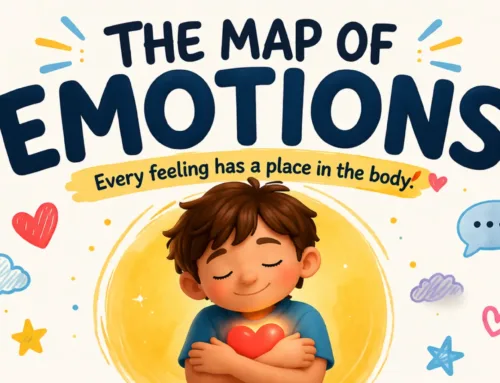
6. Mapping Emotions
- For every sentence, each child chooses the emotion it made them feel.
- They place them on an Emotion Map (e.g., 10 circles = 10 emotions).
- At the end, they reflect: Which part made them feel the strongest and why?
7. The Fingers of the Story
- Each finger represents one of the 10 sentences.
- As they recall or tell the story, they touch each finger, bringing the memory and feeling of that sentence into their body.
- A gentle, embodied way to feel the words.
8. NLP Anchor: The Story Amulet
- Invite each child to choose a physical object (a button, a stone, a piece of string).
- They “anchor” their most powerful sentence to this object—the part that moved them.
- They keep or wear it, to remember: “The strength is already inside me.”
9. Lips Only (Drama Game)
- One in each pair acts as a narrator—but without sound. They mouth the story and use facial expression only.
- The partner tries to read their silent story.
- This grows empathy and deepens non-verbal storytelling.
10. The Mirror of the Group
- Each child gives their story to someone else.
- That person listens and then chooses a third person to retell it.
- The third person narrates the story back to the original writer.
- The writer then reflects: Is anything different? Was anything missed?
- A powerful and delicate activity. Challenging but full of magic.
Do you want to read an example?
A story written exactly the way we described? Maybe yes. But maybe… not just yet. Because your imagination has a voice. It has sounds, images, memories – like no one else’s. And this story, as beautiful as it may be, isn’t yours. If you read it now, you might unknowingly step onto a path that didn’t begin with you, but with someone else. You might start to imitate it. You might adjust your own emotions to fit someone else’s words. And you know what happens then? The magic fades.
When the brain sees something already complete, it relaxes. It says: “Ah, I see. That’s what it was.”
And just like that, it stops searching. It stops creating.
And you? You’re just observing instead of expressing your own world.
The way we imagine, the frame, the sound of thought, the color of feeling, shapes our reality.
If you let someone else paint it for you before you’ve even begun… then you’re writing to imitate, not to remember who you are.
That’s why I’m telling you:
Don’t read it just yet.
Write yours first.
Listen to your own breath, your own words.
Drop into your body. Ask it what it remembers.
The story is already inside you.
It’s just been waiting for you to open the door.
And once you write it, then yes, read the other one.
And you’ll see it differently.
Not as a guide.
But as a companion.
Example story:
1. Outside the window—blue. Every shade of it. Everywhere. So intense, it almost made a sound.
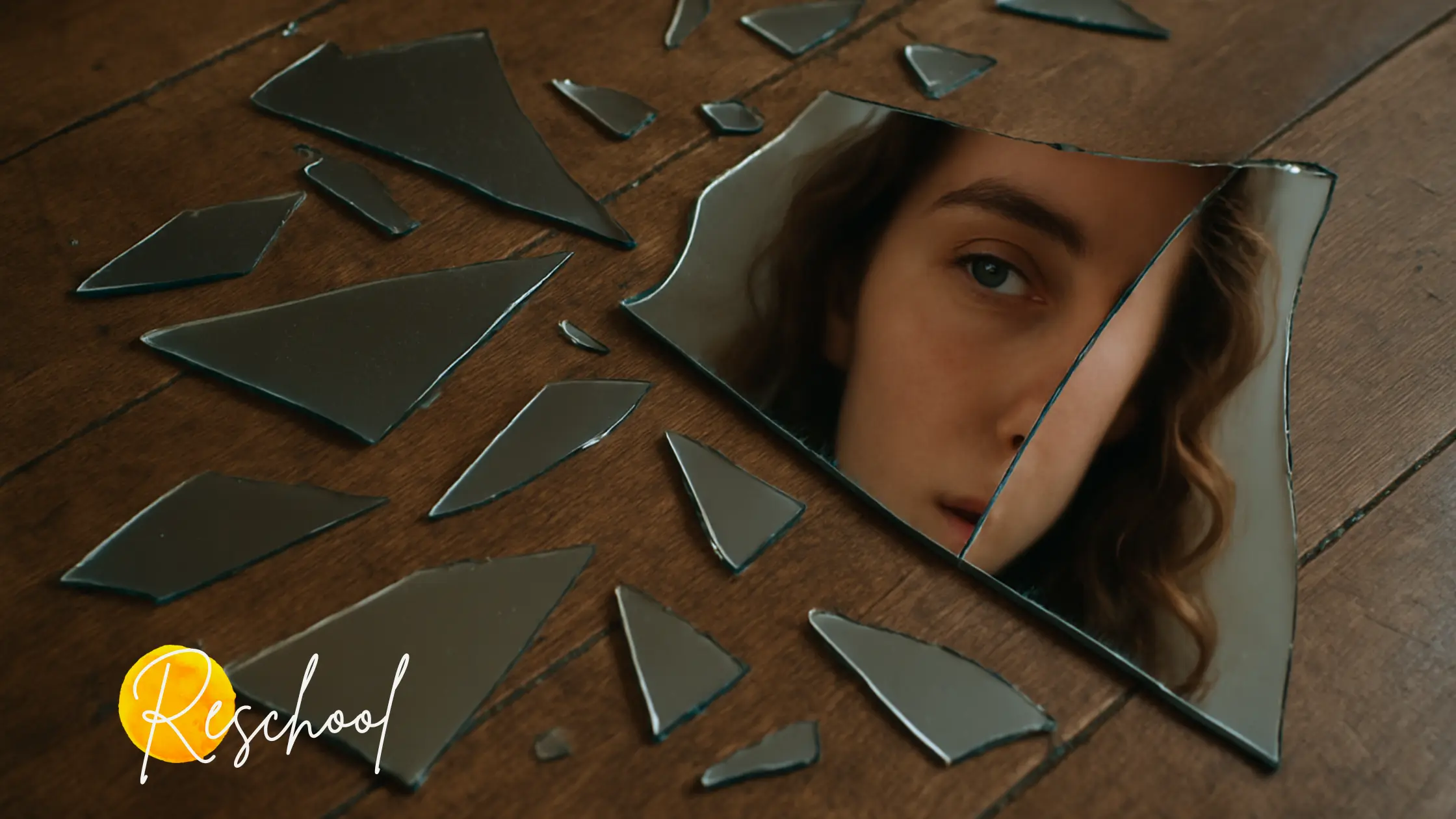
2. Suddenly, a thunderous crash from the bedroom – the mirror had shattered, like the house itself was falling down.
3. Did it mean fourteen years of bad luck—or fourteen years of silence?
4. It felt like a warning. Like the world was trying to wake me up. Make me finally see.
5. The cat, as if she sensed my fear before I did, jumped onto the bed, rested her head on my hand, and whispered without sound… “I see you.”
6. I didn’t know if I was dreaming or awake. If the sweat on my face was real, or if my trembling hands were part of the dream.
7. I only knew that it was all created by the force of my thoughts. The same voice that’s chased me since I was a child, whispering, “You’re not enough. You have to give to deserve.”
8. Even when I succeeded in school, even when my grades were the best, I always felt a vast emptiness when I stood among other people.
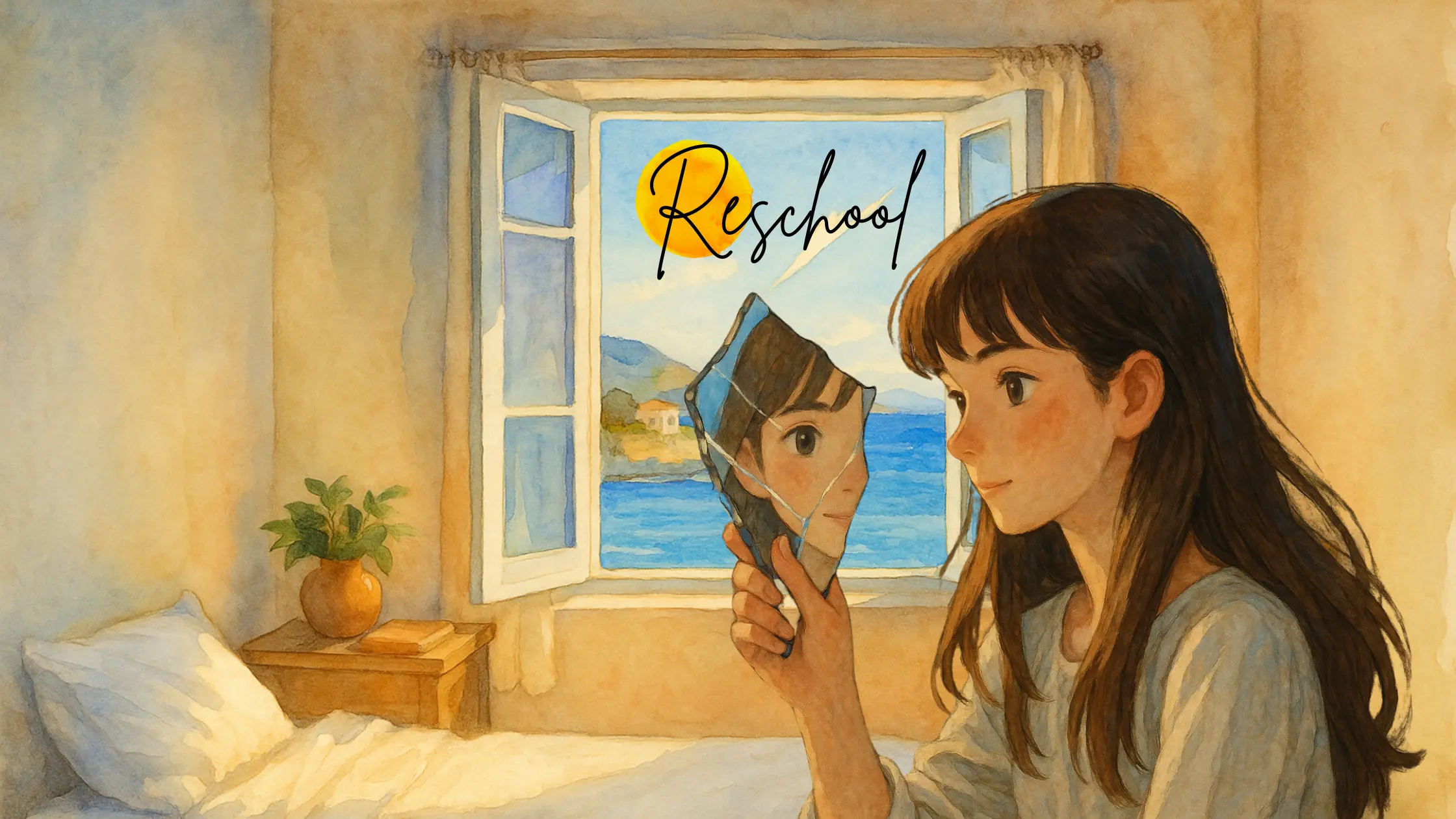
9. I looked at myself through a small shard of the broken mirror and saw a curl of my hair dancing in the breeze. And I realized that’s what I’ve always seen: just one tiny piece of me, forgetting all the others scattered across the floor.
10. And then I knew: It wasn’t the mirror that broke.
It was me, cracking a little each time I refused to see myself whole.
If you’ve made it this far… you might already be writing without even realizing it.
Your imagination has awakened.
Your soul remembers.
Now let it speak.
In your own way.
With no rules.
Just you.
Take the paper. Take the pencil.
And begin