 Keep this in mind:
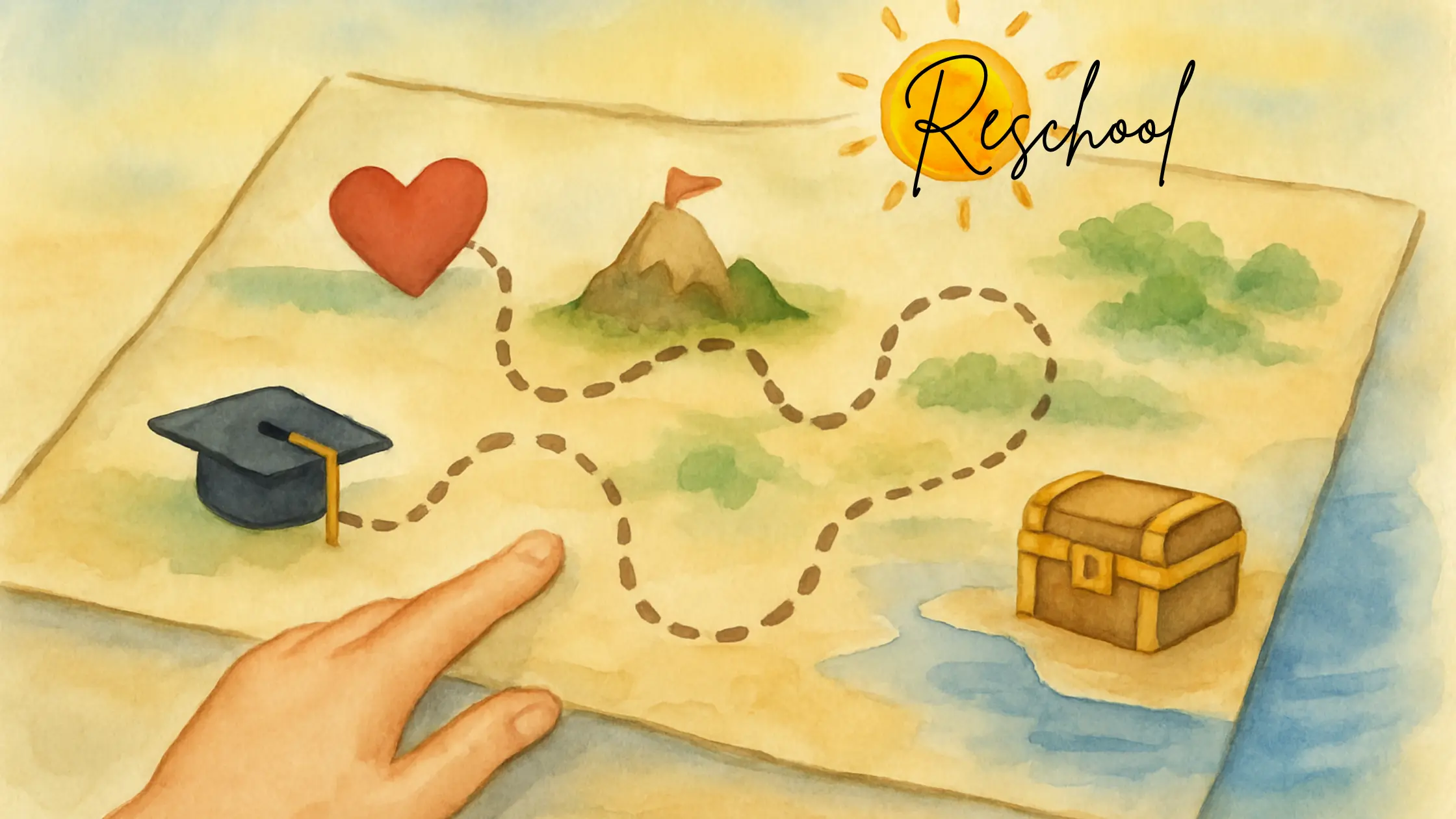
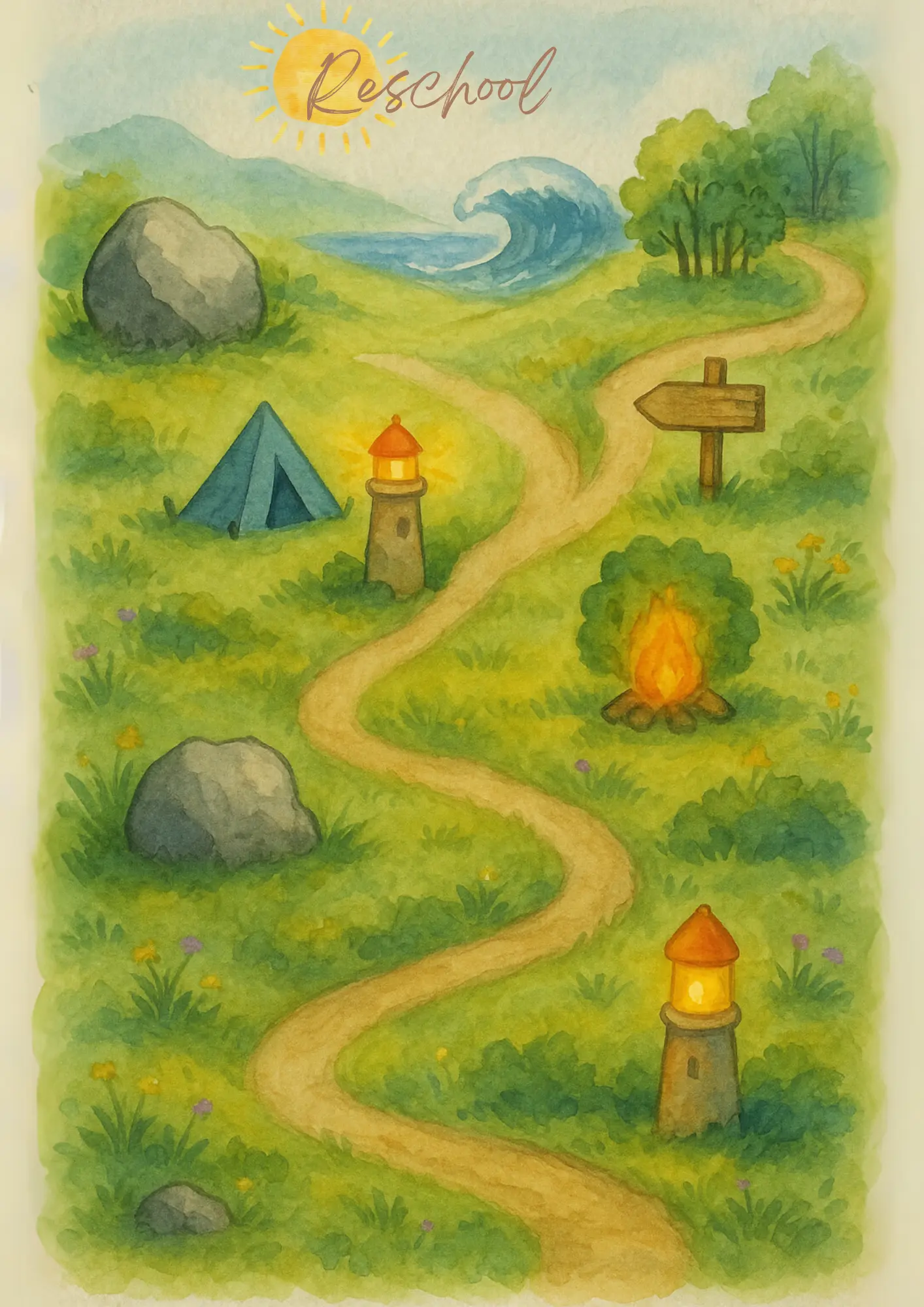
The map of the school year isn’t written in words. It’s painted in moments.
Children don’t need tests to remember. They need space.
 Why this matters:
At the end of the school year, many teachers count:
- ✔️ the syllabus they managed to cover
- ✔️ the tests their students completed
- ✔️ the tired “let’s just finish this”
But the true journey you walked together can’t be captured in grades or assessments.
It lives in the memories that stayed. In the moment when a child felt proud of themselves. Or in that glance that said, “Here, you are seen.”
These are the other signs, the hidden ones. They don’t show up on report cards or exams. They’re carved into the path.
 Two-step technique: “The Map of the Year”
 Step 1: Print out the illustrated map.
Show your students that this year was a journey.
 Step 2: The Memory Conductor
Invite them to “read” the symbols as they felt them:
 A challenge they haven’t overcome yet
- A surprising moment that carried them forward
- An inner light that sparked
- A place of safety
- A change in direction
- A moment of calm
- An intense experience
- A bright memory
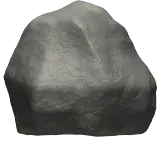 A Challenge Not Yet Overcome
- Prompt: A difficulty that persisted throughout the year.
- “It’s something I tried, but I still can’t do very well.”
- Example: “I struggled with ‘Wishes.’ I haven’t fully grasped it yet, but I tried.”
- Psychology: The child learns to observe themselves without judgment. They realize that challenges are part of learning, not failure. This supports mindfulness and non-critical thinking.
- Reframe: Naming it is already progress. Many don’t even know what’s holding them back.
 “It’s something I tried, but I still can’t do very well.”
 An Unexpected Moment That Took Me Further
- Prompt: Something I didn’t expect, but it helped me grow.
- “I didn’t see it coming, but it was a beautiful surprise.”
- Example: “I was scared to speak during the presentation, but once I did, I loved it and wanted to do it again.”
- Psychology: A moment of positive transformation. The child overcomes a hidden fear and gains confidence.
- Reframe: Sometimes, what surprises you was always waiting – if you dared to see it.
 A Flame That Was Lit Inside Me
- Prompt: Something that excited or motivated me.
- “I felt something light up inside me.”
- Example: “When we did a science experiment, I loved it so much I looked it up at home.”
- Psychology: Intrinsic motivation is activated. The child connects with something that drives them without pressure.
- Reframe: Even a small flame can grow into something big. Don’t ignore it just because it seems little.
 A Place of Safety
- Prompt: A place, person, or moment where I felt safe or calm.
- “There, I felt like I could just be me.”
- Example: “When I sat next to my friend, I felt more comfortable and wanted to participate.”
- Psychology: Psychological safety is a foundation for learning, risk-taking, and expression.
- Reframe: Sometimes safety isn’t a place, it’s a word someone said. Or their silence.
A Change in Direction- Prompt: A moment I changed my mind, habit, or belief.
- “Something made me think or act differently.
- Example: “I never used to speak up in class. But after my teacher encouraged me, I started raising my hand.”
- Psychology: A moment of personal transformation. The child shifts from “I can’t” to a more empowering self-image.
- Reframe: Change doesn’t have to be dramatic. Even one new thought is a new path.
 A Moment of Calm
- Prompt: A moment when I felt peace or quiet joy.
- “It felt nice not to pressure myself.
- Example: “When we read with music playing in the background, I felt relaxed and focused.”
- Psychology: Calmness connects the child to the present and fosters emotional balance. Such moments anchor us.
- Reframe: Stillness isn’t a waste of time. It’s the only way to hear yourself.

An Intense Experience
- Prompt: A very strong moment—happy or difficult, but unforgettable.
- “I’ll never forget it.”
- Example: “When I argued with a classmate, and then we made up—it really stayed with me.”
- Psychology: A peak emotional moment. These foster empathy and personal reflection.
- Reframe: If something shook you, it changed you. But that doesn’t mean it was bad. It might’ve been your bravest lesson.
 A Bright Memory
- Prompt: A moment of joy, pride, or well-being.
- “I’d like to keep this moment forever.”
- Example: “When we finished our group project and presented it I felt important.”
- Psychology: This builds self-esteem and a positive self-image. It’s vital to end the year with light.
- Reframe: It’s not always the big events that stay with us. Sometimes it’s a quiet moment only you noticed.
 A Wish for the Year Ahead (Invisible Stop)
- Prompt: If you could wish something for yourself next year, what would it be?
- “Next year, I hope to…”
- Example: “I wish I won’t be afraid of making mistakes and that I’ll raise my hand more often.”
- Psychology: Projecting into the future builds intention and hope. It’s not pressure—it’s gentle inner focus.
- Reframe: A wish is more than a dream. It’s a quiet spark of change before the journey even starts.
 Costume Suggestions for the Memory Conductor
- Hat: A retro cap, handmade cardboard hat, or police-style hat.
- Scarf: A bright scarf around the neck or arm—your “traveler’s flag.”
- Vest or Jacket: Anything formal or fun. Even a shirt with stickers for each stop.
- Name Tag:
Name: Memory Conductor
- Whistle or Bell:
 For you, dear teacher:
- The child who finally raised their hand.
- The day everyone laughed together—you felt like a team.
- The lesson that unexpectedly touched everyone’s heart.
 If something moved you while reading this, share it with a fellow teacher. Maybe they need a reminder of their own journey. So keep your map. And next year, look back and see how far you’ve come.